
Few things catch first-time visitors to Egypt off guard quite like the constant expectation of tips. You pay for a museum ticket, and someone appears to point you toward the entrance you were already walking toward, hand extended. A man in the restroom hands you a paper towel you could have grabbed yourself. Your hotel porter lingers just a beat too long after setting down your bags. None of this is a scam, and none of it is rude. It is simply how a significant part of Egypt's informal economy functions. Understanding how tipping works for tourists visiting Egypt is the difference between feeling harassed at every turn and moving through the country with confidence and genuine goodwill. This guide covers the cultural roots, the practical amounts, and the social etiquette you need to handle baksheesh like someone who actually knows what they are doing. If you have ever stood in an Egyptian temple fumbling through your wallet while a self-appointed guide stared at you expectantly, this is for you.
Understanding the Culture of Baksheesh in Egypt
The Arabic word baksheesh gets translated as "tip," but that only captures part of the picture. Baksheesh is a broad concept that encompasses gratuities for services rendered, charitable giving to those in need, and sometimes even small bribes to grease bureaucratic wheels. For tourists, the first two categories are the ones that matter. The practice predates modern tourism by centuries and is deeply embedded in Egyptian social norms. Thinking of it as an annoying tourist trap misses the point entirely: baksheesh is a social contract, a way of redistributing wealth in a society where minimum wages remain low and formal safety nets are thin.


The Difference Between Tipping and Alms-Giving
Egyptians themselves distinguish between tipping someone who performed a service and giving to someone who simply asks. A waiter who served your meal, a driver who got you safely through Cairo's traffic, a guide who explained a temple's history: these people earned their tip. A child who runs up to your taxi window or a man who opens a door you did not ask to have opened occupies a grayer area. You are not obligated to tip for unsolicited "help," though many travelers give a small coin anyway to avoid confrontation. Recognizing this distinction helps you feel less like a walking ATM and more like a participant in a cultural exchange.
Why Tipping is Integral to the Egyptian Economy
Many service workers in Egypt earn base salaries that hover around 3,000 to 5,000 Egyptian pounds per month in 2026, which is roughly $60 to $100 USD. Tips are not a bonus on top of a livable wage; they are a core part of take-home pay. Hotel housekeepers, restaurant servers, and tour guides all depend on baksheesh to cover rent, food, and family expenses. When you tip fairly, you are directly supporting individuals in a way that bypasses middlemen. Skipping tips because "I already paid for the tour" ignores the reality that the person standing in front of you likely received only a fraction of what you paid the booking company.
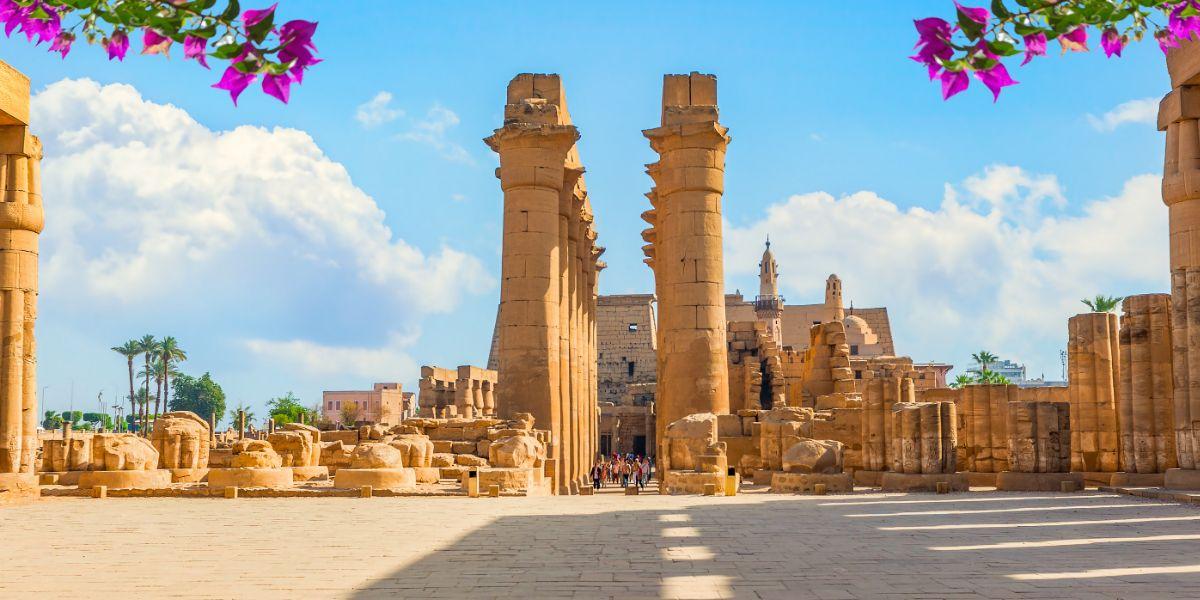
When and Where to Tip: A Service-By-Service Guide
Knowing who to tip and how much eliminates most of the awkwardness. The amounts below reflect 2026 norms and account for inflation that has shifted expectations upward over the past few years.
Restaurants, Cafes, and Street Food Vendors
Sit-down restaurants in tourist areas typically add a 12% service charge to the bill, but very little of that reaches your server. Leave an additional 10-15% in cash on the table, or hand it directly to the person who served you. At local Egyptian restaurants where the bill might be 200-400 EGP for two people, rounding up generously or leaving 30-50 EGP works well. Street food vendors and juice bar workers do not expect tips, but leaving 10-20 EGP if someone was particularly helpful or friendly is always appreciated. Cafes fall somewhere in between: 10-15% on top of the bill is standard.
Tour Guides, Drivers, and Nile Cruise Staff
Your Egyptologist guide at the pyramids or in Luxor's Valley of the Kings typically expects 200-400 EGP per person for a half-day tour and 400-600 EGP for a full day. Drivers who are separate from the guide should receive about half that amount. On Nile cruises, most ships place a tip box at reception and suggest 100-150 EGP per guest per day, which gets divided among the crew. If a specific crew member went above and beyond, tip them directly in addition to the communal amount. For private felucca rides on the Nile, 50-100 EGP per person is reasonable for a one- to two-hour sail.
Hotel Porters, Housekeeping, and Public Restroom Attendants
Hotel porters expect 20-50 EGP per bag, depending on the hotel's star rating. Leave 30-50 EGP per day for housekeeping, placed on the pillow or nightstand each morning rather than as a lump sum at checkout, since different staff may clean your room on different days. Public restroom attendants, who are stationed everywhere from mosques to highway rest stops, expect 5-10 EGP. Keep a pocket full of small notes specifically for these encounters because they happen multiple times a day.
Practical Logistics: Currency and Recommended Amounts
Getting the mechanics right matters almost as much as knowing the amounts. Fumbling with large bills or offering foreign coins creates friction that a little preparation eliminates.
Tipping in Egyptian Pounds vs. Foreign Currency
Always tip in Egyptian pounds. US dollars or euros might seem generous, but they create problems for recipients who then need to exchange them, often at unfavorable rates and with a trip to a bank or exchange office. The exception is high-end tour guides who explicitly prefer USD, but even then, ask first. ATMs in Cairo, Luxor, Aswan, and Hurghada dispense Egyptian pounds, and exchange offices are plentiful. Convert enough cash on your first day to cover several days of tips, and replenish as needed.
The Importance of Carrying Small Banknotes
This is the single most practical piece of advice for managing tips in Egypt as a tourist: break large bills immediately. ATMs often spit out 200 EGP notes, which are useless for a 10 EGP restroom tip. Visit a currency exchange and specifically request a stack of 5, 10, 20, and 50 EGP notes. Some travelers dedicate a specific pocket or small pouch to tip money so they can reach in and pull out the right amount without opening their wallet and revealing larger bills. That small habit prevents a surprising amount of daily stress.
Tipping Etiquette and Social Norms
How you give matters as much as how much you give. A few social cues go a long way toward making the exchange feel natural rather than transactional.
How to Discreetly Hand Over Cash
The classic Egyptian method is a handshake with the folded bill pressed between your palms. It is quick, respectful, and avoids the awkwardness of publicly counting out money. For restaurant tips, leaving cash on the table under a glass works fine. For guides and drivers, hand the tip at the end of the service with a verbal thank you: "shukran" goes a long way. Avoid making a production of it. The goal is a brief, warm moment of recognition, not a ceremony.
Handling Aggressive Solicitation or Unearned Requests
Some visitors feel overwhelmed by people offering unsolicited services and then expecting payment: the man who "guides" you to a shop you were not looking for, the person who places a souvenir in your hand and then demands money. A firm but polite "la, shukran" (no, thank you) works in most situations. Do not feel guilty about declining. Egyptians themselves do not tip for services they did not request. If someone genuinely helped you, even without being asked, a small amount of 10-20 EGP is appropriate. But you are never obligated to pay for something you did not want. Setting this boundary early in your trip makes the rest of it far more relaxed.
Navigating Service Charges and Hidden Fees
Egyptian restaurant and hotel bills can be confusing. A typical restaurant bill might include a 12% service charge, a 14% VAT, and sometimes a municipal tax on top of that. Seeing "service charge" on the bill leads many tourists to assume the tip is covered, but as mentioned earlier, servers often see very little of that line item. Treat the service charge as a tax and tip separately. Hotels sometimes add a nightly service fee as well, but this rarely reaches the individual housekeeper or porter who helped you. When in doubt, ask the front desk whether tips are pooled or if you should tip staff directly. Most hotel employees will be honest about it because they know the answer benefits them. Check your bill carefully, and do not assume any line item replaces a direct tip to the person who served you.
Final Tips for a Stress-Free Travel Experience
Tipping in Egypt does not have to be stressful once you understand the system. Carry a dedicated stash of small Egyptian pound notes. Know the rough amounts for each type of service so you are not guessing in the moment. Tip in local currency, hand it over with a handshake or a quiet "shukran," and do not feel pressured into paying for services you never asked for. The vast majority of Egyptians who expect tips are hardworking people earning modest wages, and your generosity has a real impact on their daily lives. Budget roughly 100-200 EGP per person per day for miscellaneous tips on top of what you spend on guides and meals, and you will cover nearly every situation without stress. Egypt is one of the most rewarding countries on the planet to visit, and handling baksheesh gracefully is part of traveling there well. Get comfortable with it, and you will find that those small exchanges often turn into the warmest human moments of your trip.